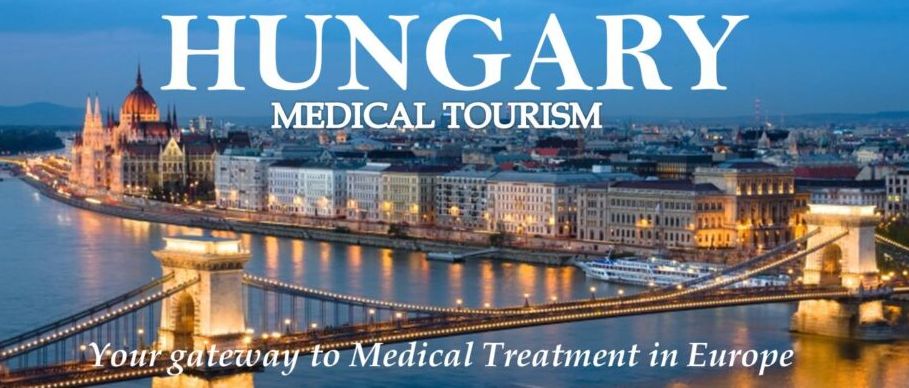
Traveling to Budapest for dental care combines two things many UK and Irish patients need but rarely get together at home: world-class dentistry and an enjoyable city break. To make the most of this opportunity, it helps to understand how to get there, where to stay, and how to move around the city while fitting treatment seamlessly into your schedule. This guide explains everything you need to know about flights, accommodation, and transport when planning a dental trip to Budapest.
Why Budapest Is Ideal for Dental Travel
Budapest is located in the heart of Europe and is one of the easiest cities to reach from the UK and Ireland. Major clinics highlight:
-
Short flight times (typically under three hours)
-
Multiple daily low-cost flights from London, Manchester, Birmingham, Edinburgh, Bristol, Dublin and others
-
Savings of up to 50–70% on major dental treatments compared with UK/Irish prices
In addition, many Budapest dental centres provide structured travel support, helping organize flights, hotel bookings, and local transfers for their patients.
Flights: How to Get to Budapest for Dental Treatment
Main Airport
All international flights arrive at Budapest Ferenc Liszt International Airport (BUD), located roughly 16 km from the city centre. Travel time into town is around 30–40 minutes by car or 45–60 minutes by public transport.
Direct Flight Options from the UK and Ireland
-
London (Luton, Gatwick, Stansted, Heathrow)
-
Manchester, Birmingham, Bristol, Edinburgh, East Midlands
-
Dublin (multiple airlines)
Low-cost carriers such as Ryanair, Wizz Air and easyJet, as well as full-service airlines, operate daily routes—ideal for fitting dental schedules around work and family commitments.
Tips for Booking Flights
-
Book early: Budapest is a popular city-break destination and prices rise close to departure dates.
-
Be flexible with days: Flying mid-week is often significantly cheaper than weekends.
-
Look at flight + treatment timing: Some clinics schedule initial assessments or minor procedures for the day of arrival; late-afternoon or evening flights may suit better.
Several clinics even refund part of your flight cost if your treatment reaches a certain value, typically up to €180/£130.
Accommodation: Where to Stay During Dental Treatment
Budapest offers everything from budget hostels to luxury hotels. However, dental clinics frequently collaborate with partner hotels and serviced apartments to offer:
-
Negotiated discounted rates
-
Proximity to the clinic (often 2–5 minutes’ walk)
-
Amenities tailored to recovering patients (quiet rooms, lift access, flexible check-in)
Some dental providers run clinic-hotels in the same building, allowing patients to go straight to their room after treatment—an important comfort benefit following long or surgical procedures.
Types of Accommodation for Dental Tourists
-
Partner Hotels (3–4 star):
-
Preferred choice in many all-inclusive packages
-
Often used to provide free or discounted nights when treatment exceeds a certain value.
-
-
Clinics with On-Site Apartments:
-
Apartments literally above or next to the clinic, with kitchen facilities—ideal for longer stays.
-
-
Independent Hotels/Apartments:
-
Some patients prefer booking via online platforms; reputable clinics still offer airport pickup to any central address, even if you choose your own stay.
-
What Dental Packages Commonly Include
Many Budapest dental packages include:
-
Free or discounted night(s) for first-time or major treatment patients
-
Free airport transfer
-
Assistance in choosing and booking safe, comfortable accommodation
-
Sometimes, a public transport pass to get around the city
Airport Transfers: Getting from BUD to Your Hotel or Clinic
Top clinics almost always arrange airport transfers as part of their international patient service. Usually this means:
-
English-speaking driver (or trusted partner taxi company) waiting at arrivals
-
Door-to-door service to hotel or directly to the clinic, depending on arrival time
-
Free transfer if booking via clinic or staying at their partner hotel
If transfers are not included or you choose to self-manage:
Other Options:
-
Official Airport Taxi: Regulated, meter-based fares to city centre (€25–€30).
-
Airport Shuttle Bus (100E): Express bus directly to central locations, with separate local tickets.
-
Public Transport: Combined bus (200E) + metro. Cheapest option but less comfortable after surgery.
Getting Around Budapest During Treatment
Budapest is compact and easy to navigate:
-
Public Transport: Easy-to-use buses, trams, and metros. Daily or multi-day passes can be purchased via the “BudapestGO” app or purple ticket machines at stations.
-
Tram Line 2: A recommended sightseeing tram along the Danube, combining commuting with panoramic views of Parliament, Buda Castle, and the Chain Bridge.
-
Taxis and Ride-Sharing: Widely available and reasonably priced. Many clinics can call taxis for patients after surgery.
Some dental tourism providers give free bus/metro passes or run internal shuttle services between partner hotels and clinics.
Typical Dental Travel Timeline: Step-by-Step
1. Pre-Trip Planning
-
Share your dental x-ray or scans via email.
-
Receive a preliminary treatment plan and quote.
-
Confirm dates that work for flights and lodging.
-
Coordinate package details, including airport pick-up and recommended hotel.
2. Arrival in Budapest
-
Meet your driver at arrivals; transfer to hotel or clinic.
-
Settle in, rest, and explore nearby café or supermarket.
3. First Clinic Visit
-
Complete medical history, clinical exam, 3D scans.
-
Confirm or adapt treatment plan based on in-person assessment.
-
Discuss detailed schedule and cost (in writing) before any major work begins.
4. Treatment Phase
-
2–5 treatment days for most mid-scale work, 5–10 for full reconstructions.
-
Clinics carefully schedule rest periods, often limiting dental chair time to around two hours per day for maximum comfort.
5. Free Time
-
Sightsee (within dentist’s guidelines): thermal baths, short river cruise, or gentle walks.
-
Avoid heavy food or alcohol after surgery; clinics give specific advice.
6. Check-Up & Departure
-
Final adjustments and post-op guidance.
-
Receive written records, warranty info, and tax/insurance documentation.
-
Transfer back to airport, return flight.
Case Example: Irish Patient’s 5-Day Dental Trip to Budapest
Day 1 (Sunday):
-
Flight from Dublin to Budapest, 2h 50m.
-
Clinic’s driver collects at the airport and takes patient to a 4-star partner hotel, 5 minutes from the clinic.
-
Evening at leisure, early night.
Day 2 (Monday):
-
Walk to clinic for consultation, x-ray/3D scan, and plan confirmation.
-
Minor preparatory treatment (e.g., scaling or temporary crown).
-
Afternoon city stroll, recommended quiet sightseeing.
Day 3–4 (Tuesday–Wednesday):
-
Main treatments (implants or crown prep) scheduled in the morning.
-
Afternoons free for rest, gentle Danube promenade walk, or tram tour.
-
Clinic available on WhatsApp and emergency number.
Day 5 (Thursday):
-
Final checks, impression confirmation, or fitting of temporaries.
-
Airport transfer and return flight to Dublin.
-
Permanent crowns/bridges to be fitted on next brief visit or extended stay depending on treatment.
This pattern is typical, and many UK/Irish patients appreciate combining healing time with short, low-intensity sightseeing.
Practical Tips for Dental Travelers to Budapest
-
Arrive one day before major treatment: Avoid rushing straight from flight to surgery.
-
Choose centrally located accommodation: Saves energy and taxi costs.
-
Bring a travel companion: Helpful after sedation or surgery.
-
Pack comfortable clothing: Especially if undergoing oral surgery.
-
Prepare for dietary restrictions: Soft foods, soups, and alternatives—ask your hotel or nearby supermarkets.
-
Keep all invoices & medical records: For tax claims (in Ireland), insurance, and future dental reference.
Why Budapest Clinics Stand Out in Travel Support
-
They understand dental tourists: treatment schedules, logistics, language, and comfort needs.
-
Many include hotel nights, free consultations, and free transfers as part of their offer for major treatments.
-
Dedicated patient support teams arrange every detail, from taxi rides to sightseeing ideas.
The result: a professional, well-orchestrated experience that feels like both a clinical upgrade and a genuine European city break, instead of a purely medical journey.